
Found a Kitten?
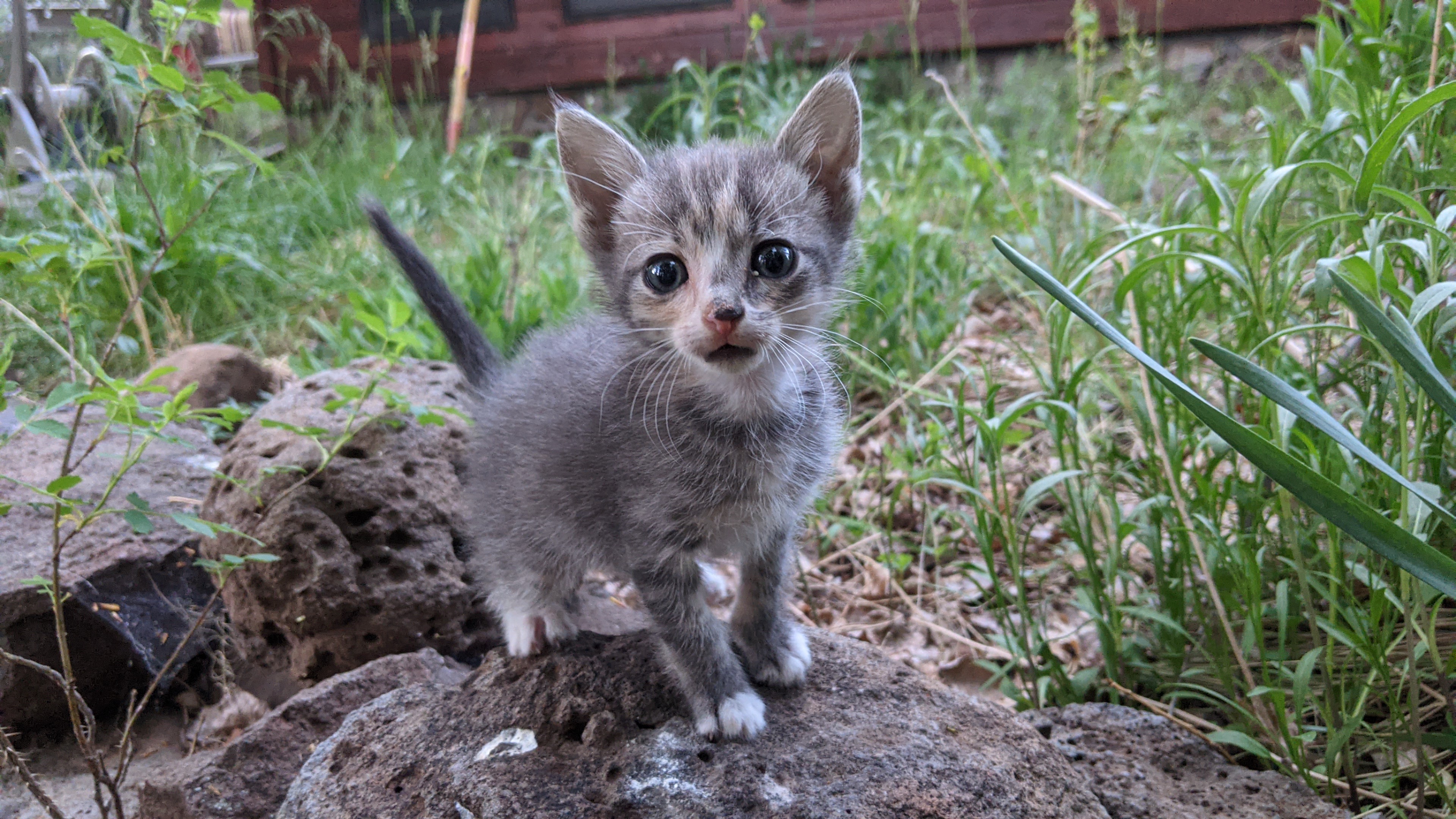
While it's tempting to grab and go, don't be a catnapper! Depending on the kitten(s) age their best chance may be with their cat Mom. First, estimate their age using this great tool from alleycat.org
First estimate how old they are
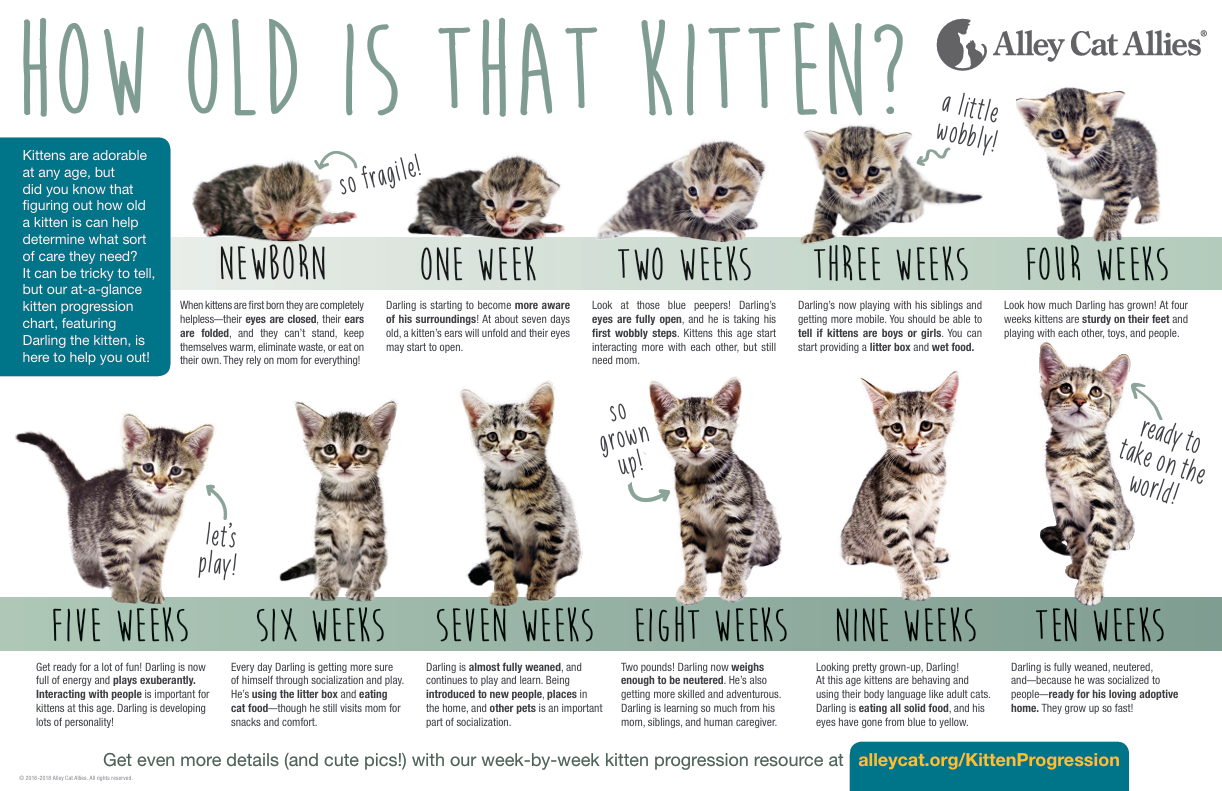
If the kitten looks younger than 8 WEEKS their best chance is WITH THEIR MOTHER. She feeds them evey few hours, helps them potty, and keeps them warm. Most shelters and rescues have VERY FEW volunteers willing to foster bottle babies because of the amount of dedicated time it takes.
Don't assume a kitten is abandoned - leave the kitten(s) where you found them, unless it isn't safe, then leave them in the closest safe space. You can leave them in a small open box (that mom could get into) if they were found in the open or you are worried about the elements (heat, etc.). Mom cats are very good about keeping track of their kittens but they do have to move them sometimes to keep them safe. Kittens should be left for several hours up to a full day BEFORE stepping in to remove them. If you need help deciding what to do give us a call at: (928) 613-2090
If you found a kitten that is over 8 weeks
If you have just observed the kitten outside and the kitten is hard to catch it may be feral/unsocialized. Try to get a photo and contact us: we will help you figure out the best course of action. Sometimes TNR (trap neuter return) is the most humane option for feral/unsocialized kittens.
If you have caught a kitten- keep the kitten in a safe place (a hard sided crate or small bathroom) and provide food, water and a litter box. If you don't plan to keep the kitten, call local shelters/rescues for help. If you are in Northern Arizona we will help if we can- give us a call at (928) 613-2090.
If you found a kitten that is injured or ill
Place the kitten in a box with a towel/blanket and keep them warm/comfortable while you call a local rescue, shelter, or veterinary clinic for help. If you are in Northern Arizona we will help if we can- give us a call at (928) 613-2090.If you have a newborn kitten and returning to Mom isn't an option
Neonatal kittens will need:
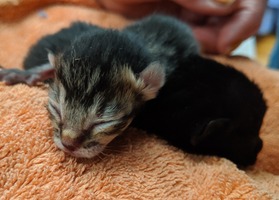
Neonatal kittens will generally spend most of their time eating and sleeping. They will fall asleep with a full tummy and generally sleep until they wake up hungry and will start crying.
Note: kittens can't regulate their temperature themselves so they also crawl on to or off of heat sources as needed to regulate temps. This is normal.
BOTTLE FEEDING
You can purchase KMR (Kitten Milk Replacer) in powder or liquid form at most pet food and feed stores. You can use a small bottle with a nipple (kittens without teeth), a 10cc syringe with a nipple (kittens without teeth), or just a syringe (kittens with teeth). Cow's milk and goat's milk generally should not be used as they are likely to cause diarrhea which can be deadly to kittens.
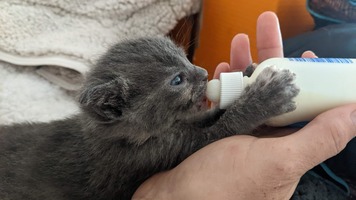
Generally if a kitten won't latch onto a bottle when feeding it is because:
1) the kitten is too cold - try warming the kitten up using your body or a heating pad and try feeding again.
2) the kitten isn't hungry - if they ate well at the last feeding don't panic- wait until the next feeding and try again. If a bottle-baby kitten won't eat at two different feeding times they may be sick (see below).
3) the kitten is too sick to nurse and may require tube-feeding and/or veterinary intervention.
BURPING
Kittens aren't real great at bottle-feeding and generally will swallow some air as they nurse. Air in the stomach can stop them from eating enough formula and make them fussy and uncomfortable. After feeding kittens should be burped by holding them upright against your chest and gently pattedPOTTYING
Kittens can't potty on their own until approximately 3-4 weeks of age. They should be stimulated to eliminate each time they are fed. At 3-4 weeks they become mobile and as soon as they can find the cat box they generally will start using it on their own.
To potty a kitten, wipe his/her privates gently with a warm damp paper towel or baby wipe. You are taking the place of Mom gently licking. Well fed kittens should generally pee every time they are pottied and when they do poop (a couple times a day usually) it should be the consistency and color of yellow mustard. Green or other colors can indicate an infection, and no poop for more than a day or hard poops can indicate dehydration or other potential issues.
KEEPING THEM WARM
Newborn to ~4 week old kittens can't regulate their own body temperatures. Generally kittens should be kept on a towel or small blanket in a box or laundry basket (so they can't crawl out or get stuck anywhere) and that should be placed HALF ON a heating pad on the lowest setting. Pro-tip: Human heating pads with a "continuous on" setting keep you from having to turn it on again every 2 hours. If you get a pet heating pad be sure that it's not a weight activated pad because kittens don't weigh enough!
FAILURE TO THRIVE
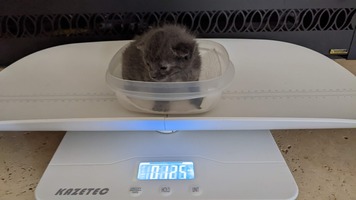
Sometimes kittens will fail to thrive: symptoms can include:
WEANING
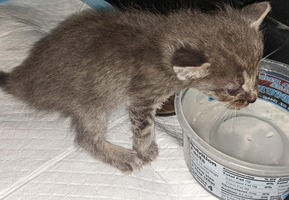
Weaning at 4-6 weeks of age is a dangerous time for kittens- bottle-fed or mom-fed. They have a hard time transitioning from eating milk to solid food (some more than others) not to mention learning to drink water from a bowl and it can lead to dehydration, diarrhea, and death. Weaning kittens should be watched closely and various foods provided to help them learn to eat from a bowl. Formula can be mixed with wet food and/or dry food and multiple bowls of water provided to help the kitten learn to drink on their own.


